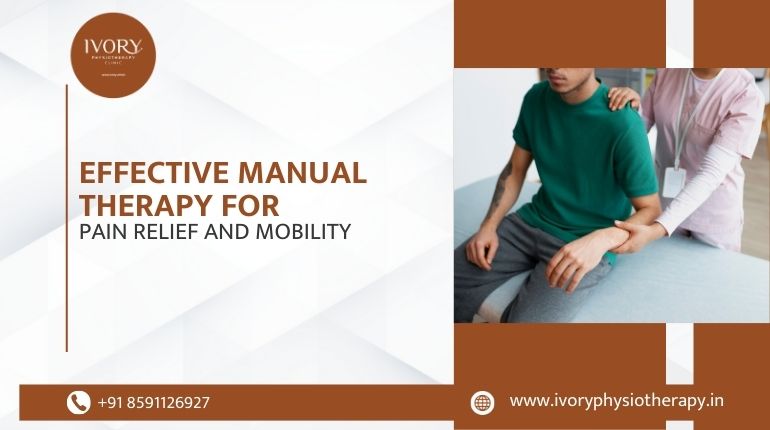
Effective Manual Therapy for Pain Relief and Mobility
Pain has a way of quietly changing everyday life. A stiff neck that refuses to turn comfortably, lower back pain that makes sitting difficult, or shoulder tightness that interrupts sleep can slowly drain energy and confidence. Many people try painkillers or rest, but relief often feels temporary. What the body truly needs is hands on care that understands how muscles and joints actually work together.
This is where manual therapy for pain relief plays a powerful role. It focuses on improving movement, reducing stiffness, and helping the body heal naturally through guided practical techniques. At Ivory Physiotherapy, manual therapy is not rushed or mechanical. It is thoughtful, gentle where needed, and firm where required to help patients move better and feel stronger again.
What Is Manual Therapy and Why Does It Matter?
Manual therapy is a form of physiotherapy where trained hands are used to treat muscles, joints, and soft tissues. The goal is simple yet effective. Reduce pain, restore movement, and improve overall function.
Unlike treatments that rely only on machines, manual therapy allows the physiotherapist to feel exactly where stiffness, tightness, or restriction exists. This personal approach makes manual physiotherapy treatment especially useful for long-term pain conditions.
It is commonly used for:
- Neck and back pain
- Joint stiffness
- Muscle tightness
- Sports injuries
- Postural problems
How Does Manual Therapy Help The Body Heal?
Pain often develops when muscles tighten, joints lose movement, or tissues become overloaded. Manual therapy works by gently guiding these structures back toward normal movement.
Here is how manual therapy for pain relief supports healing:
- Improves blood circulation
- Reduces muscle tension
- Restores joint movement
- Calms the nervous system
- Improves posture and flexibility
Over time, these changes allow the body to move more freely and comfortably.
Common Manual Therapy Techniques Used in Physiotherapy
Physiotherapists use different hands-on methods depending on the condition, pain level, and stage of recovery. These manual therapy techniques are chosen carefully to suit each patient.
Joint Mobilization
Joint mobilization involves slow and controlled movements applied to joints that feel stiff or restricted. It helps improve the range of motion and reduces discomfort during daily activities.
It is often used for:
- Frozen shoulder
- Knee stiffness
- Ankle mobility issues
- Spine-related pain
Soft Tissue Release
Muscle tightness can develop due to stress, poor posture, or overuse. Soft tissue release focuses on relaxing these muscles and improving tissue flexibility.
This technique supports:
- Neck and shoulder pain
- Lower back tightness
- Calf and hamstring strain
- Post-workout soreness
Myofascial Release
Fascia is the connective tissue that surrounds muscles. When it tightens, movement becomes painful and limited. Myofascial release gently stretches this tissue, allowing smoother movement.
This approach is commonly included in manual physiotherapy treatment for chronic pain conditions.
Manual Therapy for Improving Mobility
Mobility is more than just flexibility. It is the ability to move joints smoothly and confidently without discomfort. When mobility is restricted, even simple tasks become challenging.
Manual therapy improves mobility by:
- Releasing joint stiffness
- Reducing muscle guarding
- Improving joint awareness
- Enhancing movement coordination
Over time, patients notice easier movement during walking, bending, lifting, and reaching.
Benefits of Manual Therapy Beyond Pain Relief
While pain reduction is often the first goal, the benefits of manual therapy go far beyond that. Patients often report improvements they did not expect.
Some key benefits include:
- Better posture and alignment
- Improved sleep quality
- Reduced muscle fatigue
- Increased confidence in movement
- Lower risk of recurring injury
These improvements make manual therapy valuable for both recovery and long term wellness.
Who Can Benefit From Manual Physiotherapy Treatment?
Manual therapy is suitable for people of all ages. It is especially helpful for those dealing with long standing discomfort or movement restrictions.
It is commonly recommended for:
- Office workers with neck or back pain
- Seniors experiencing joint stiffness
- Athletes recovering from injury
- Individuals with poor posture habits
- People recovering from surgery
At Ivory Physiotherapy, treatment intensity is always adjusted to comfort and tolerance, ensuring safe and steady progress.
Manual Therapy Combined With Exercise for Lasting Results
Manual therapy works best when combined with movement-based exercises. While hands-on care improves flexibility and reduces pain, exercises help maintain those improvements.
A typical session may include:
- Manual therapy to release stiffness
- Stretching to improve flexibility
- Strength exercises to support joints
- Posture correction for daily activities
This combination helps prevent pain from returning and supports long term mobility.
Why Technique Selection Matters?
Not every pain condition responds to the same approach. Using the right manual therapy techniques at the right time is essential for recovery.
Physiotherapists assess:
- Pain location and pattern
- Movement limitations
- Muscle strength
- Daily activity demands
This ensures that manual physiotherapy treatment remains effective and safe throughout recovery.
How Does Manual Therapy Feel During Treatment?
Many people worry that practical therapy might be painful. In reality, manual therapy is designed to work within comfort levels.
Patients often describe it as:
- A feeling of pressure rather than pain
- Gentle stretching or release
- Gradual improvement session by session
Any discomfort is closely monitored and adjusted immediately.
FAQs
Is manual therapy safe for long term pain?
Yes. When performed by trained physiotherapists, manual therapy is safe and effective for long standing pain conditions. It focuses on restoring movement rather than forcing it.
How many sessions are usually needed?
The number of sessions depends on the condition and how the body responds. Some people feel relief within a few sessions, while others may need longer care.
Can manual therapy help avoid surgery?
In many cases, yes. Early manual therapy for pain relief combined with exercises can reduce symptoms enough to avoid surgical intervention.
Is manual therapy suitable after surgery?
Yes, once healing has progressed. It helps restore movement and reduce stiffness following surgical procedures.
Does manual therapy work for stress related pain?
Absolutely. Stress often causes muscle tension, especially in the neck and shoulders. Manual therapy helps relax these areas and improve comfort.
Moving Toward Pain-Free Movement
Living with pain should never feel normal. Whether discomfort has developed gradually or appeared suddenly, addressing it early leads to better outcomes. Manual therapy offers a practical and natural way to improve movement, reduce pain, and regain confidence in everyday activities.
Understanding the benefits of manual therapy helps patients take an active role in recovery rather than depending only on temporary relief methods. With proper guidance, steady improvement becomes achievable.
If pain or stiffness is affecting your quality of life, starting care at Ivory Physiotherapy can make a meaningful difference. Through expert manual physiotherapy treatment, thoughtful techniques, and supportive guidance, Ivory Physiotherapy helps you move better, feel stronger, and return to activities that matter most.