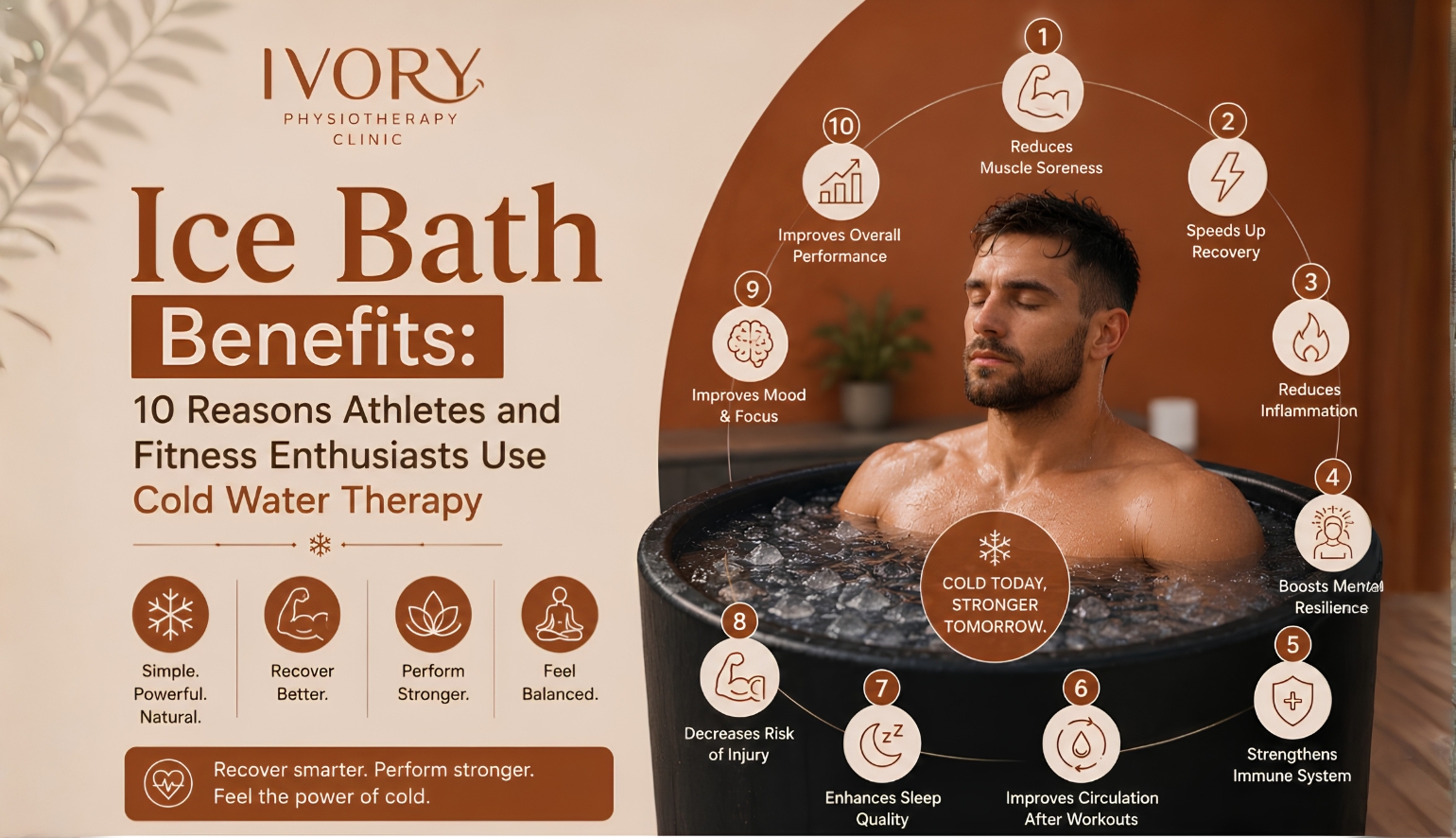
Ice Bath Benefits: 10 Reasons Athletes and Fitness Enthusiasts Use Cold Water Therapy
Ice Bath Benefits: 10 Reasons Athletes and Fitness Enthusiasts Use Cold Water Therapy
Ice baths have become a common part of recovery routines for athletes, runners, gym enthusiasts, and fitness professionals. From elite sports teams to weekend marathon runners, cold water immersion is widely used to support recovery after intense physical activity.
But is the hype backed by science?
Research suggests that ice baths can reduce muscle soreness, improve recovery after exercise, and help athletes return to training sooner, although they are not appropriate for every situation.
Let's explore the evidence-based benefits of ice bath therapy and when it should be used.
What Is an Ice Bath?
An ice bath, also known as cold water immersion, involves sitting in cold water, typically between 10°C and 15°C, for around 10 to 15 minutes after exercise.
The cold temperature causes blood vessels to constrict temporarily, helping reduce inflammation and tissue swelling before circulation increases again during rewarming.
How Cold Water Therapy Works
| Body Response | Potential Benefit |
|---|---|
| Blood vessel constriction | Reduces swelling |
| Reduced nerve activity | Decreases pain sensation |
| Lower tissue temperature | Limits inflammation |
| Rewarming after bath | Improves circulation |
These effects contribute to faster recovery after intense training sessions.
10 Science-Based Ice Bath Benefits
1. Reduces Muscle Soreness
One of the most researched ice bath benefits is reducing delayed onset muscle soreness (DOMS).
Many athletes report less soreness within 24 to 48 hours after strenuous workouts.
2. Helps Recovery After Exercise
| Recovery Benefit | Why It Matters |
|---|---|
| Less muscle soreness | Return to training sooner |
| Reduced fatigue | Better performance in following sessions |
This makes cold water therapy popular during tournaments or heavy training weeks.
3. Reduces Exercise-Induced Inflammation
After intense exercise, muscles develop microscopic damage that triggers inflammation.
Cold water therapy helps control excessive inflammation, allowing recovery without unnecessary swelling.
4. May Reduce Muscle Swelling
Sports involving sprinting, jumping, or heavy resistance training often lead to temporary swelling.
Cold immersion helps minimize fluid accumulation in muscles.
5. Provides Temporary Pain Relief
Cold temperatures slow nerve conduction, reducing pain signals.
This can make movement more comfortable after demanding workouts.
6. Supports Recovery Between Competitions
Athletes competing over consecutive days often use ice baths because they may help maintain performance during short recovery periods.
7. Helps Restore Perceived Energy
Many people report feeling refreshed and mentally recovered after cold water immersion.
Although this effect varies, it can improve readiness for the next training session.
8. May Improve Psychological Recovery
| Psychological Benefit | Possible Effect |
|---|---|
| Reduced perception of fatigue | Better recovery mindset |
| Feeling refreshed | Increased motivation |
Mental recovery is an important part of overall athletic performance.
9. Supports High Training Volumes
For athletes training multiple times each week, reducing soreness can help maintain consistency without prolonged recovery periods.
10. May Lower Risk of Overuse Injuries
By improving recovery and reducing excessive fatigue, cold water therapy may indirectly help lower the risk of repetitive strain injuries when combined with proper training and physiotherapy.
When Should You Take an Ice Bath?
| Best Time | Why |
|---|---|
| After intense running | Reduces muscle soreness |
| Following competitive sports | Speeds recovery |
| Heavy resistance training | Controls inflammation |
| Multi-day sporting events | Improves readiness |
Ice baths are generally less beneficial immediately after strength training if your primary goal is maximizing muscle growth, as repeated cold exposure may slightly reduce muscle-building adaptations.
When Ice Baths May Not Be Appropriate
| Situation | Recommendation |
|---|---|
| Cardiovascular disease | Consult a healthcare professional |
| Poor circulation | Medical evaluation recommended |
| Open wounds | Avoid immersion |
| Cold sensitivity | Use caution |
People with certain medical conditions should seek professional advice before starting cold water therapy.
Ice Bath vs Active Recovery
| Ice Bath | Active Recovery |
|---|---|
| Reduces soreness | Improves circulation |
| Helps manage inflammation | Maintains mobility |
| Useful after intense exercise | Ideal after moderate exercise |
These methods often complement each other rather than compete.
The Role of Physiotherapy in Recovery
Although ice baths can reduce soreness, they do not correct movement problems, muscle imbalances, or biomechanical issues that often lead to recurring injuries.
Physiotherapy remains one of the most effective ways to improve recovery and prevent future injuries.
| Physiotherapy Treatment | Benefit |
|---|---|
| Movement assessment | Identifies injury risk |
| Manual therapy | Restores mobility |
| Strength training | Improves muscle function |
| Recovery planning | Optimizes performance |
| Injury prevention programs | Reduces recurrence |
Combining proper rehabilitation with recovery strategies produces the best long-term outcomes.
Ivory Physiotherapy Clinic, Seawoods
At Ivory Physiotherapy Clinic in Seawoods, recovery goes beyond simply reducing soreness.
Led by Dr. Nishita Madaan and supported by an experienced team of physiotherapists, the clinic provides individualized rehabilitation and sports recovery programs based on movement analysis, strength assessment, and functional performance.
Whether you're a recreational runner, gym enthusiast, or competitive athlete, the team focuses on helping you recover efficiently while reducing the risk of future injuries.
Key Features and Benefits
| Feature | Benefit |
|---|---|
| Sports injury assessment | Accurate diagnosis |
| Personalized recovery programs | Faster return to activity |
| Manual therapy | Pain and stiffness reduction |
| Strength and conditioning guidance | Improved performance |
| Team based physiotherapy care | Long term injury prevention |
Frequently Asked Questions
| Question | Answer |
|---|---|
| How long should an ice bath last? | Generally 10 to 15 minutes. |
| What is the ideal water temperature? | Around 10°C to 15°C. |
| Should everyone use ice baths? | No. People with certain medical conditions should consult a healthcare professional first. |
| Can ice baths replace physiotherapy? | No. They help recovery but do not address the underlying causes of pain or injury. |
Conclusion
The benefits of an ice bath after a workout are supported by growing scientific evidence, particularly for reducing muscle soreness and improving recovery after exercise.
However, cold water therapy works best as part of a complete recovery strategy that includes proper training, nutrition, sleep, and physiotherapy. It should support recovery, not replace rehabilitation or injury prevention.
Schedule Appointment
Book your consultation with Dr. Nishita Madaan and the physiotherapy team
Call 85911 26927
Recover smarter with evidence-based physiotherapy and personalized sports rehabilitation.