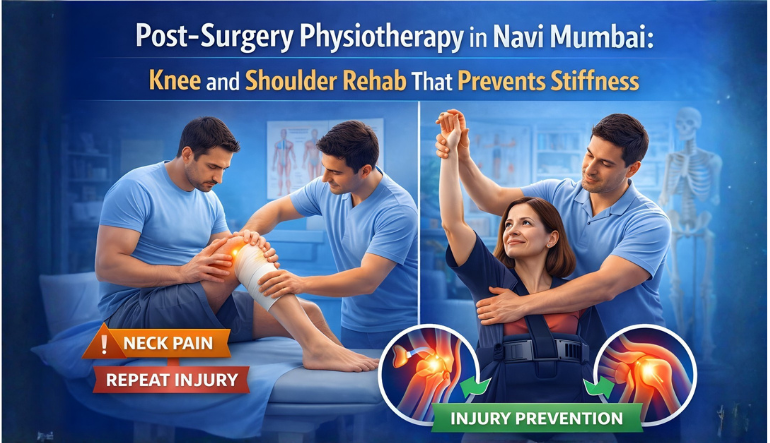
Post-Surgery Physiotherapy in Navi Mumbai: Knee and Shoulder Rehab That Prevents Stiffness
Surgery is only one part of recovery. What happens after surgery often decides how well a patient regains movement and function. In Navi Mumbai, many patients come to physiotherapy clinics weeks or months after knee or shoulder surgery with one common complaint: stiffness that is hard to reverse.
From a physiotherapist's point of view, stiffness after surgery is not unexpected. What is avoidable is long-term restriction caused by delayed or incomplete rehabilitation. Proper post-surgery physiotherapy plays a key role in restoring movement and preventing complications.
Why Stiffness Happens After Knee and Shoulder Surgery?
After surgery, the body naturally protects the operated area. Pain, swelling, and fear of movement lead to reduced activity. While short-term rest is necessary, prolonged inactivity causes joints and muscles to stiffen.
Common reasons stiffness develops:
● Delayed start of physiotherapy
● Pain-led avoidance of movement
● Inadequate joint mobility exercises
● Weak muscles around the joint
● Poor guidance on safe movement
Without guided rehab, joints lose range and muscles lose strength.
Why Knee and Shoulder Surgeries Need Structured Rehab?
Knee and shoulder joints are designed for movement. Surgery restores structure, but physiotherapy restores function.
| Joint | Without Physiotherapy | With Physiotherapy |
| Knee | stiff walking, weak leg | improved mobility and strength |
| Shoulder | limited arm lift, pain | gradual return of full movement |
| Muscles | wasting and weakness | controlled strengthening |
| Recovery | slow and incomplete | faster and functional |
Early, structured rehab reduces long-term stiffness and improves confidence in movement.
Goals of Post-Surgery Physiotherapy
Physiotherapy after surgery is not aggressive exercise. It is planned, stage-wise rehabilitation.
Key goals include:
● Reducing pain and swelling
● Restoring joint range of motion
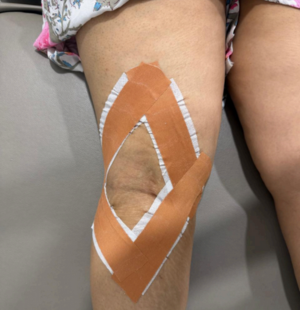
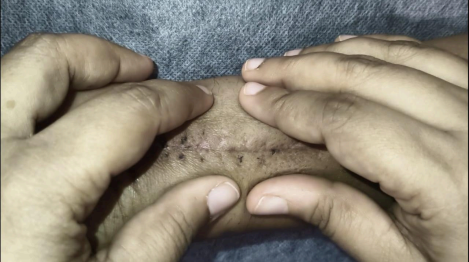
● Preventing scar-related stiffness
● Activating and strengthening muscles
● Re-training functional movements
● Preventing long-term dependency
Each stage builds on the previous one.
Physiotherapy Stages After Knee and Shoulder Surgery
| Rehab Stage | Focus |
| Early Phase | Pain Control, Gentle Movement |
| Mobility Phase | Improving Joint Range |
| Strength Phase | Muscle Activation And Support |
| Functional Phase | Walking, Reaching, Daily Tasks |
| Advanced Phase | Stability And Confidence |
Progression depends on surgery type, healing response, and patient comfort.
Physiotherapy Techniques Used in Post-Surgery Rehab
| Technique | Purpose |
| Manual Therapy | Improves Joint Movement |
| Gentle Stretching | Prevents Stiffness |
| Strengthening Exercises | Restores Muscle Support |
| Electrotherapy | Helps Pain Control When Needed |
| Gait And Movement Training | Improves Daily Function |
| Home Exercise Guidance | Maintains Progress |
Exercises are adjusted regularly to avoid overload or setbacks.
Ivory Physiotherapy Clinic, Seawoods: Structured Post-Surgery Rehab
Post-surgery knee and shoulder rehabilitation follows a clear, step-by-step physiotherapy plan.
Treatment is led by and supported by a trained team of physiotherapists. Each patient is assessed based on surgery type, pain level, movement restriction, and functional goals.
The team focuses on:
● Starting movement at the right time
● Preventing stiffness without stressing healing tissues
● Individualised rehab progression
● Close monitoring of pain and swelling
● Clear instructions for safe home exercises
This approach helps patients regain movement safely and avoid long-term joint restriction.
When Should Physiotherapy Start After Surgery?
Physiotherapy usually begins as advised by the surgeon, often within the first few days to weeks after surgery.
You should not wait if:
● Joint feels tight or stiff
● Movement is reducing
● Pain increases with inactivity
● Walking or arm use feels difficult
Early rehab leads to better outcomes.
Key Takeaway
Surgery fixes the structure. Physiotherapy restores movement.
Delaying physiotherapy after knee or shoulder surgery increases stiffness and slows recovery. Timely, guided rehab helps patients return to daily activities with confidence.
Schedule a Post-Surgery Physiotherapy Consultation in Navi Mumbai
If you or a family member has undergone knee or shoulder surgery, proper rehabilitation can make a major difference in recovery quality.
Schedule your appointment with Dr. Nishita Madan and the Ivory Physiotherapy team: 8591126927