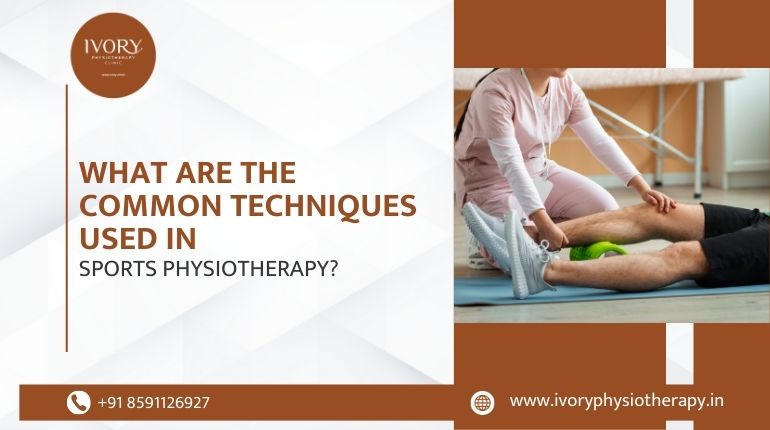
What Are the Common Techniques Used in Sports Physiotherapy?
Sports injuries are not limited to professional athletes or people who play competitive sports every day. In reality, many injuries happen to people who jog regularly, go to the gym, play badminton on weekends, practice yoga, or even walk daily to stay active. A sudden twist, poor posture, muscle imbalance, or overuse can easily lead to pain that affects movement and confidence.
This is where sports physiotherapy plays an important role. It focuses not only on pain relief but also on helping the body move better, recover safely, and avoid repeat injuries. Understanding common sports physiotherapy techniques helps patients feel more confident about treatment and sets realistic expectations for recovery.
At Ivory Physiotherapy, sports physiotherapy is approached with patience, careful assessment, and practical treatment methods that suit both athletes and active individuals.
Understanding Sports Physiotherapy in Simple Terms
Sports physiotherapy is a specialized area of physiotherapy that deals with injuries related to physical activity. It focuses on muscles, joints, ligaments, tendons, and movement patterns.
What makes sports physiotherapy different is its goal. The aim is not just to reduce pain but to restore strength, coordination, flexibility, and control so the body can return to activity safely.
People often look up sports injury physiotherapy treatment when pain starts affecting performance or daily routines. This treatment involves a mix of hands-on care, guided exercises, and movement correction based on how the body actually works during activity.
Why Technique Matters in Sports Physiotherapy
Every injury is different. A runner with knee pain needs a different approach compared to someone with a shoulder injury from weight training. Using the right technique at the right stage of healing is crucial.
Effective sports physiotherapy focuses on:
- Reducing pain without masking the problem
- Improving movement quality
- Restoring strength gradually
- Preventing future injuries
This is why physiotherapists use a combination of methods rather than relying on a single treatment approach.
Manual Therapy Techniques Commonly Used
Manual therapy involves practical techniques that help reduce stiffness, improve joint movement, and relax tight muscles. These techniques are a key part of common sports physiotherapy techniques used during the early and mid stages of recovery.
Joint Mobilization
Joint mobilization helps restore normal joint movement when stiffness limits motion.
It is often used for:
- Shoulder stiffness
- Ankle restriction
- Knee movement limitation
- Spine-related sports injuries
Gentle controlled movements help improve flexibility and reduce discomfort.
Soft Tissue Techniques
Muscle tightness, trigger points, and scar tissue can restrict movement. Soft tissue techniques help release tension and improve circulation.
This method is commonly used in sports injury physiotherapy treatment for muscle strains, calf tightness, hamstring injuries, and tendon issues.
Exercise-Based Rehabilitation as the Core of Recovery
Exercise therapy forms the backbone of sports physiotherapy. Pain relief alone is never enough if strength and control are not restored.
Strength Training
Strength exercises help muscles support joints properly. Weak muscles often overload other structures, increasing the risk of injury.
Strength training focuses on:
- Muscle balance
- Joint stability
- Controlled movement
Mobility and Flexibility Exercises
Restricted flexibility can limit performance and increase the risk of injury. Gentle stretching and mobility exercises help restore movement safely.
Functional Movement Training
Functional exercises mimic real-life or sports movements such as squatting, jumping, or reaching. This prepares the body for daily activity and sport-specific demands.
These exercises are an essential part of advanced sports physiotherapy techniques used for long-term recovery.
Electrotherapy Methods That Support Healing
Electrotherapy is often misunderstood. While it does not replace exercise or manual therapy, it supports healing when used correctly.
Ultrasound Therapy
Ultrasound helps increase blood flow to deeper tissues and supports healing in ligament and tendon injuries.
Electrical Stimulation
Electrical stimulation helps reduce pain and muscle spasm, especially in the early stages when movement is painful.
These methods support recovery but are always combined with active rehabilitation for lasting results.
Taping Techniques Used in Sports Physiotherapy
Taping is a visible and effective part of sports physiotherapy. It provides support while allowing movement.
Kinesiology Taping
Elastic tape supports muscles and joints without restricting motion. It also improves body awareness and posture.
Rigid Sports Taping
Rigid tape offers stronger support and is often used during training or matches to protect healing tissues.
Taping is frequently included in sports injury physiotherapy treatment plans to allow safe movement during recovery.
Balance and Coordination Training
After an injury, the body often loses its sense of balance and joint awareness. This increases the risk of re-injury.
Balance training helps:
- Improve coordination
- Strengthen stabilizing muscles
- Restore joint confidence
This training is especially important after ankle sprains, knee injuries, and ligament issues.
Sports Specific Conditioning and Performance Training
Sports physiotherapy does not stop at pain relief. The final phase focuses on preparing the body for real activity demands.
This includes:
- Agility drills
- Endurance training
- Sport-specific movement correction
These elements form an important part of advanced sports physiotherapy techniques, especially for athletes returning to competition.
Injury Prevention as a Long-Term Goal
One of the most valuable benefits of sports physiotherapy is injury prevention. Preventing injury saves time, money, and frustration.
Prevention strategies include:
- Identifying weak muscles
- Correcting posture and movement patterns
- Improving flexibility
- Educating patients about safe training habits
Patients who understand common sports physiotherapy techniques often stay injury-free longer because they become more aware of how their body move.
Why a Combination of Techniques Works Best
No single method works for every injury. Successful recovery depends on using the right mix of techniques at the right time.
At Ivory Physiotherapy, treatment plans are based on:
- Type of injury
- Stage of healing
- Activity level
- Recovery goals
This balanced approach ensures steady progress without unnecessary strain.
Frequently Asked Questions
Q1.How soon should sports physiotherapy start after an injury?
In many cases, physiotherapy can begin within a few days once swelling and acute pain have reduced. Early intervention helps prevent stiffness and weakness from setting in.
Q2.Is sports physiotherapy only for athletes?
No. Anyone who is physically active can benefit. Sports physiotherapy focuses on movement and function, not just competitive sports.
Q3.How long does recovery usually take?
Recovery time depends on injury severity, consistency of therapy, and home exercise follow-through. Some injuries improve within weeks, while others take longer.
Q4.Can sports physiotherapy help avoid surgery?
In many cases, yes. Proper sports injury physiotherapy treatment can restore strength and movement, reducing the need for surgery, especially in muscle and ligament injuries.
Q5.Does treatment involve pain?
Some discomfort may be felt during exercises, but therapy should never cause sharp pain. Physiotherapists adjust intensity based on patient response.
Moving Ahead With the Right Support
Sports injuries can be frustrating, especially when they interrupt fitness routines and daily life. Recovery is not about rest alone but about rebuilding strength, control, and confidence step by step.
Understanding advanced sports physiotherapy techniques helps patients stay motivated and involved in their recovery. When treatment focuses on healing, movement quality, and prevention, long-term results improve significantly.
If you are dealing with a sports-related injury or movement-related pain, expert care makes a real difference. Begin your recovery journey at a sports physiotherapy clinic in seawoods and take a confident step toward safe movement, better performance, and lasting strength with Ivory Physiotherapy.